Scroll

An island of extraordinary variety. Find the Sri Lanka that speaks to you.

Sri Lanka packs a remarkable range of landscapes, cultures, and climates into a relatively small landmass – which is precisely what makes planning the perfect journey both exciting and worth doing well. Below is our guide to the destinations we know best, across five distinct travel categories.

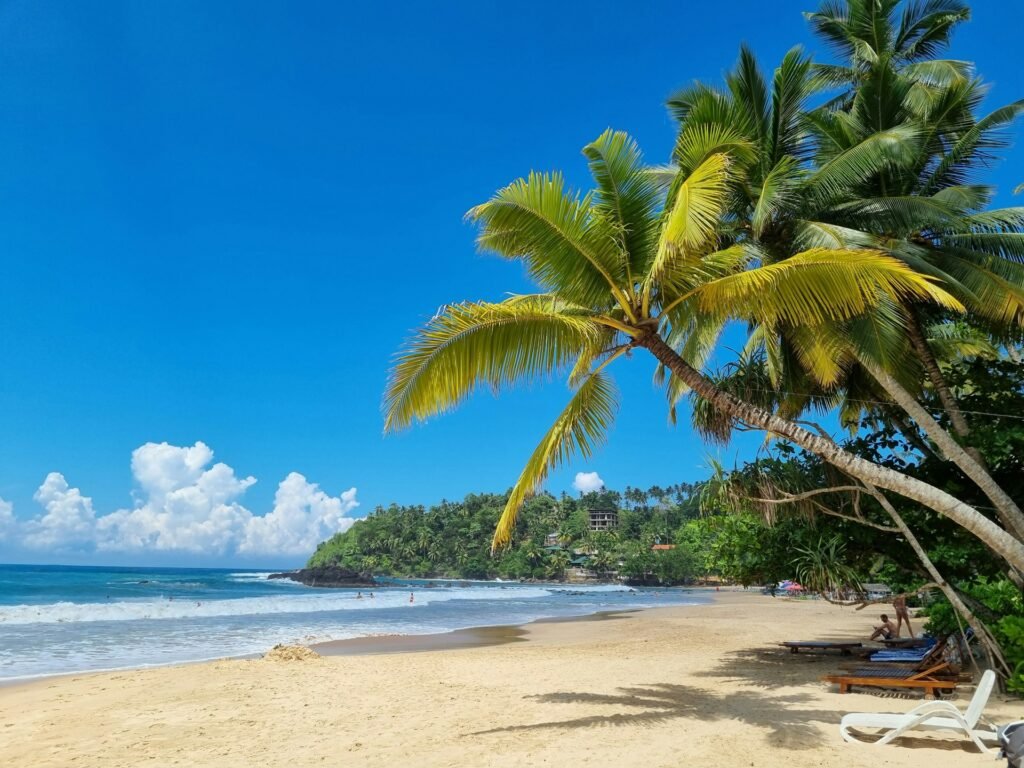
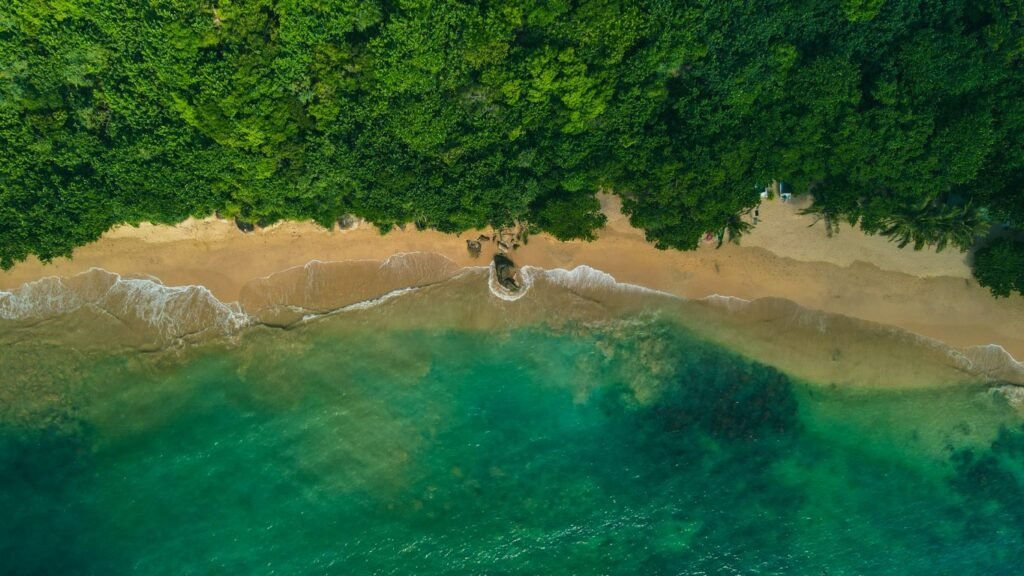
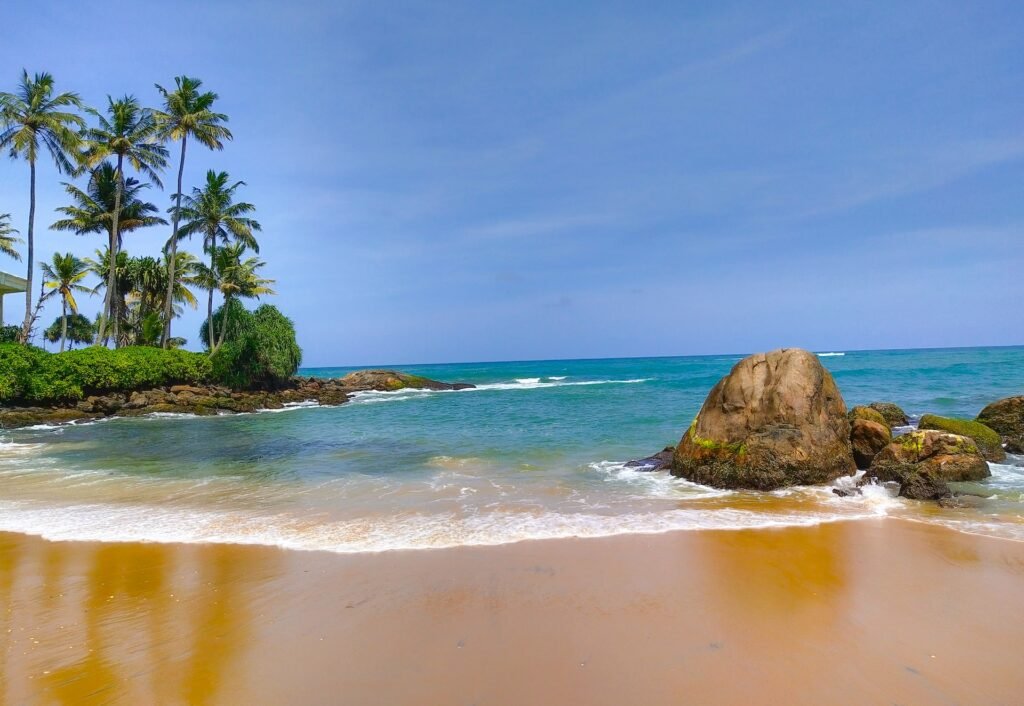
Sri Lanka’s coastline changes character as you move around the island – from the sheltered bays and river estuaries of the west and south, to the windswept surf breaks of the east. Whether you are looking for a peaceful beach retreat, a resort-style coastal base, or a serious surfing destination, the island has the right stretch of shore.

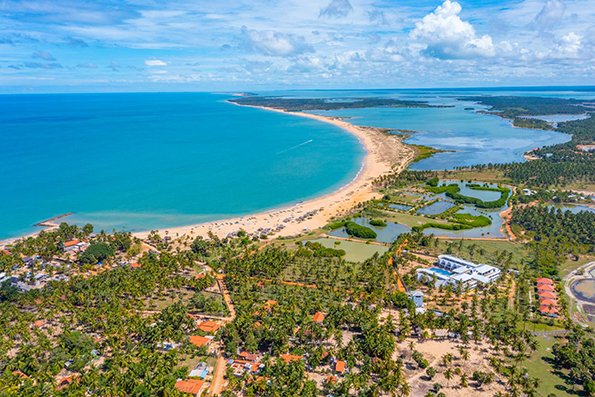
Kalpitiya

Remote and wild in the best sense, Kalpitiya sits on a long peninsula on the northwest coast, surrounded by lagoons, sandbanks, and open ocean. It is a premier destination for kitesurfing, and the waters between Kalpitiya and the Bar Reef Marine Sanctuary offer some of Sri Lanka’s most reliable dolphin watching, with spinner dolphin pods frequently sighted between November and April. The eco-lodge scene here is intimate and genuinely off the beaten track.

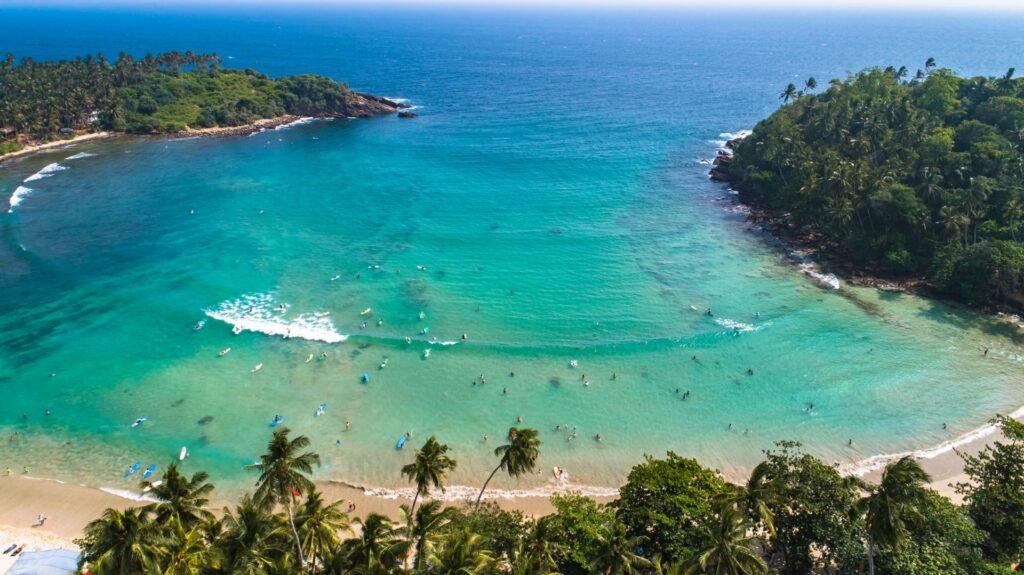
Hiriketiya

A horseshoe-shaped bay with an increasingly sophisticated but still intimate feel, Hiriketiya sits near Dickwella on the southern coast. It has become one of the more sought-after surf destinations in the south, attracting experienced surfers alongside a community of yoga practitioners and boutique travellers. The selection of small cafés and stays is excellent for its size. Best visited November to April.

Pasikuda

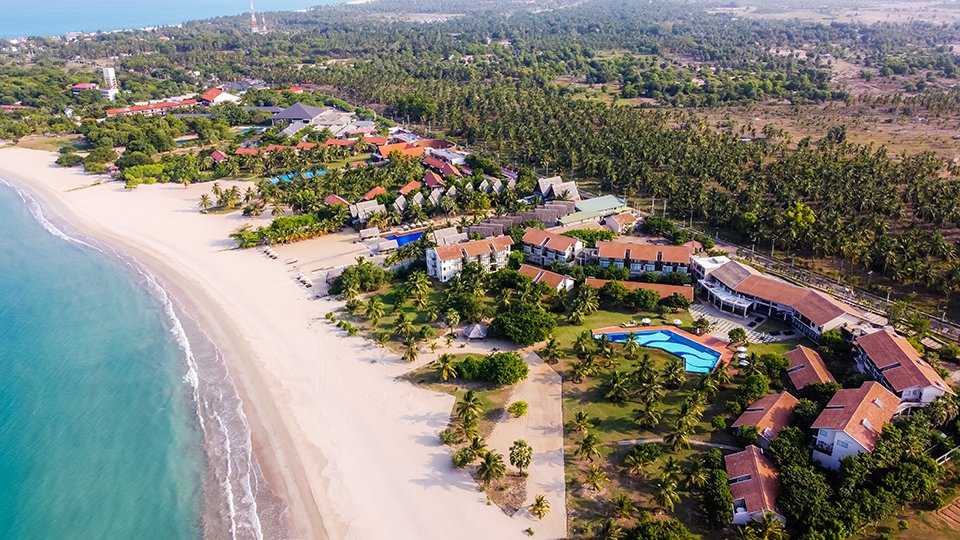
Pasikuda is known for its unusually shallow, calm lagoon – the sandbar extends so far out to sea that the water stays waist-deep for some distance, making it particularly suitable for families with young children. A small number of luxury resort properties line the bay. Best visited May to October.

Trincomalee

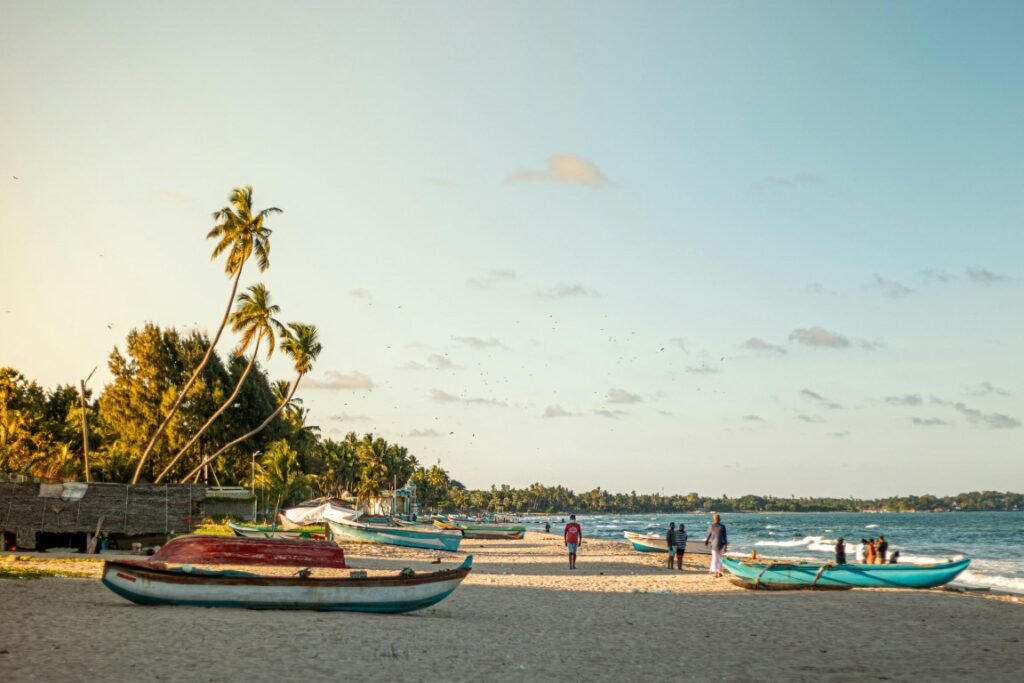
Trincomalee on the northeast coast has some of Sri Lanka’s most beautiful natural harbours and beaches – including the long, pine-fringed sweep of Nilaveli and the calmer bay at Uppuveli. The east coast season is distinct from the south and west: Trincomalee is at its best between May and September, when the sea is calm and the diving around Pigeon Island National Park is exceptional.

Arugam Bay

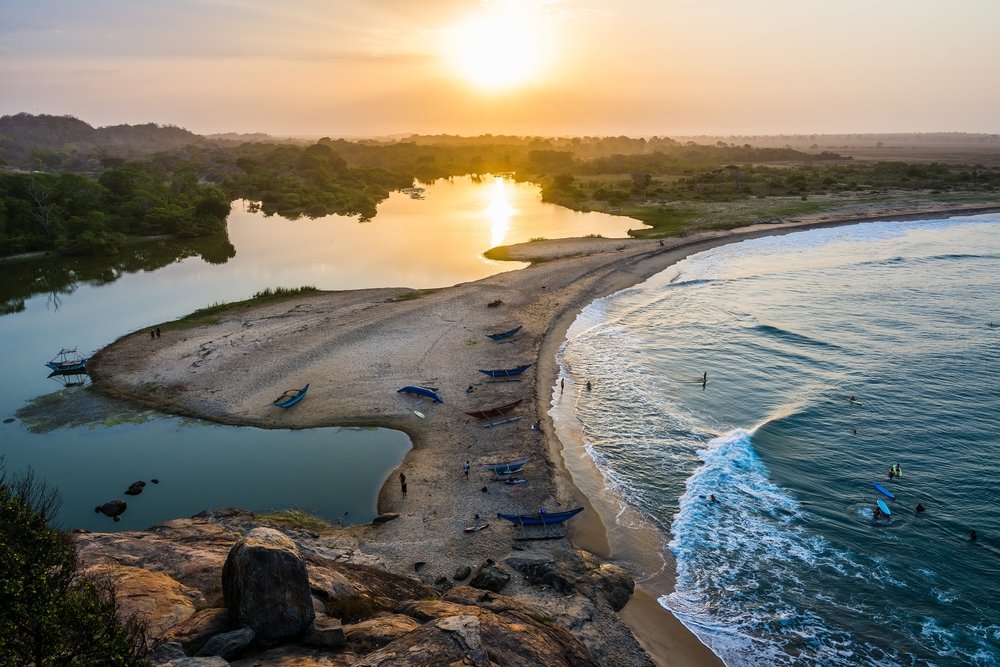
On Sri Lanka’s east coast, Arugam Bay is the island’s most celebrated surf destination and one of the top point breaks in Asia. During the surf season the bay comes alive with a bohemian, international energy, though it remains pleasantly unhurried by global standards. The surrounding area includes lagoons, national parks, and small coastal villages worth exploring. Best visited May to October.

Weligama

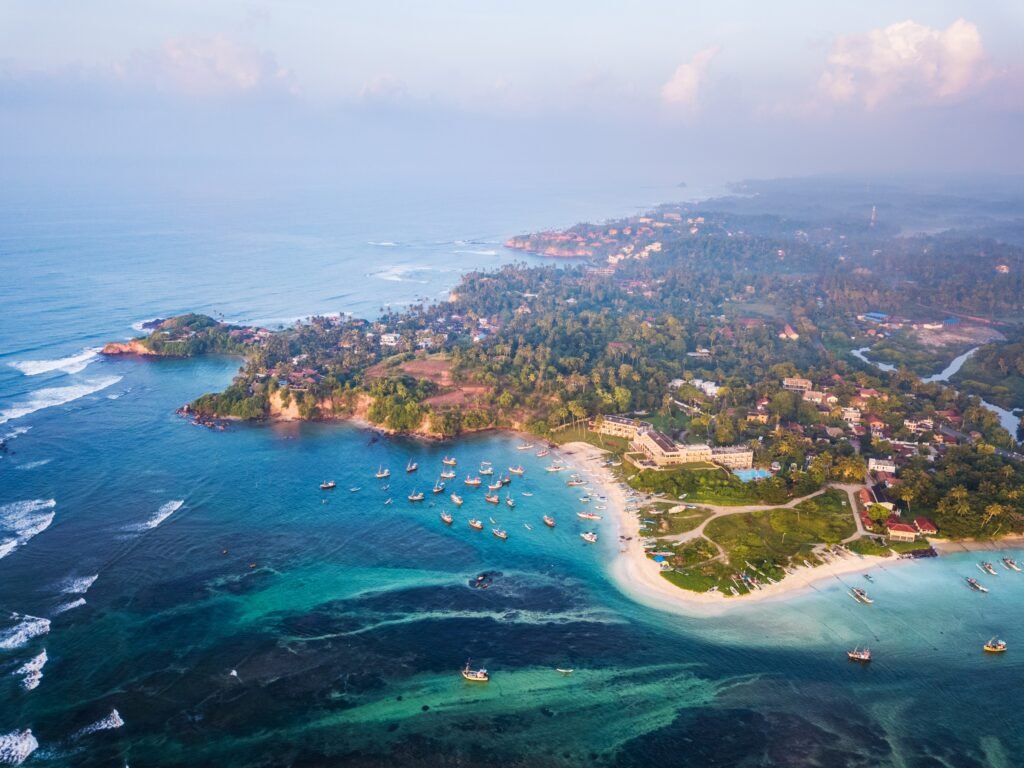
One of Sri Lanka’s most beginner-friendly surf destinations, Weligama has a wide, gently curving bay that is ideal for learners and intermediate surfers. The town is increasingly well-served with surf schools, boutique accommodation, and good dining – and its position on the southern coast makes it a natural companion to Galle and Mirissa. Best visited November to April.

Mirissa

A small, crescent-shaped beach with a laid-back character, Mirissa is best known as the departure point for Sri Lanka’s most accessible whale and dolphin watching excursions, particularly for blue whales between November and April. The beach itself is picturesque and calm during the dry season, and the town has a handful of excellent seafood restaurants and boutique stays. Best visited November to April.

Galle

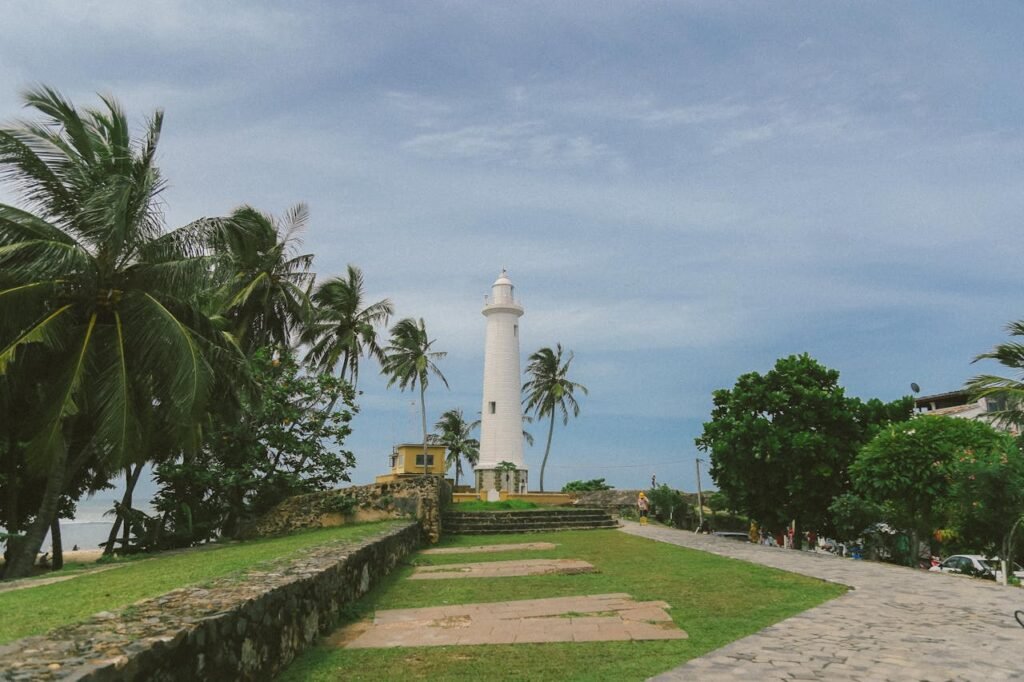
Galle is not simply a beach destination – it is Sri Lanka’s most atmospheric coastal town, built around a UNESCO-listed Dutch colonial fort that juts dramatically into the Indian Ocean. The Fort’s cobbled lanes are home to art galleries, boutique cafés, independent shops, and beautifully restored heritage hotels. The beaches nearby at Unawatuna and Jungle Beach are within easy reach. Best visited November to April.

Unawatuna

Tucked into a sheltered bay just south of Galle, Unawatuna has a relaxed, walkable atmosphere with calm, clear water and a good selection of guesthouses, restaurants, and bars. The nearby Jungle Beach is a quieter alternative, and the town is close enough to Galle Fort to combine a cultural morning with an afternoon by the sea. Best visited November to April.

Bentota

A well-established coastal resort town about ninety minutes south of Colombo, Bentota is defined by the calm waters of its tidal lagoon as much as its long sandy beach. The Madu River mangrove system is accessible from here, and the beach itself is ideal for swimming outside of the monsoon season. Bentota works well as a comfortable coastal base or a relaxing end to a longer tour. Best visited November to April.

Sri Lanka’s Cultural Triangle – and the broader sweep of ancient cities, Buddhist heritage, and living traditions across the island – offers one of Asia’s most compelling cultural travel experiences. These destinations are best approached with time, curiosity, and a good guide.

Dambulla

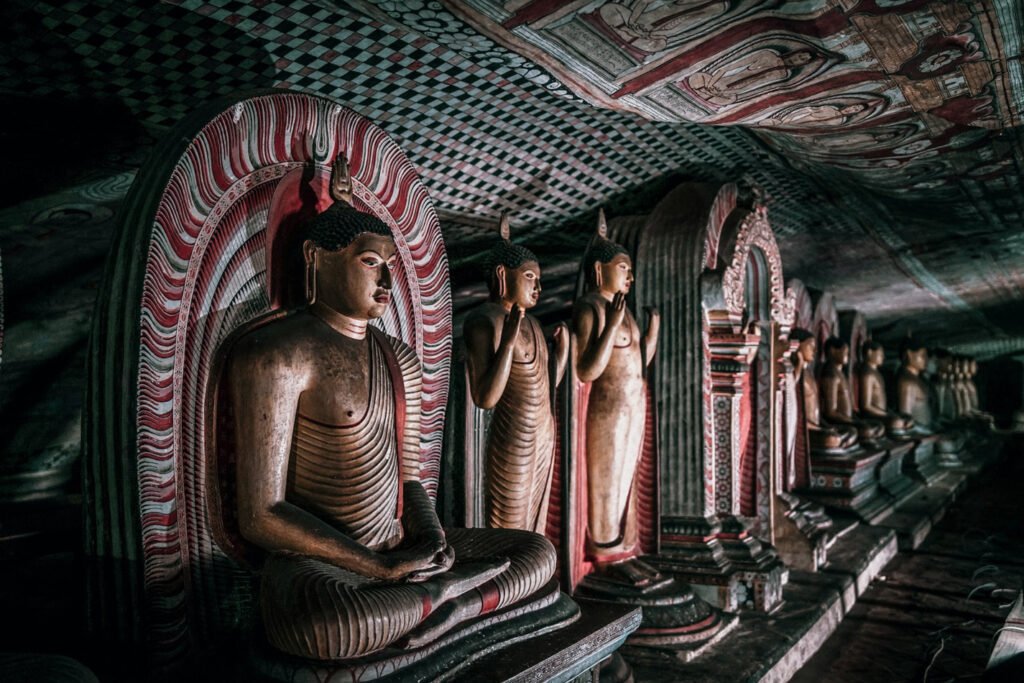
The Dambulla Cave Temple complex is one of Sri Lanka’s finest and best-preserved Buddhist monuments – five ancient caves filled with intricately painted murals covering walls and ceilings, and over 150 Buddha statues that span more than two millennia of Sri Lankan artistry. Dambulla sits at the gateway to the Cultural Triangle, making it a natural pairing with Sigiriya and Polonnaruwa. Best visited between May and September or November to February.

Kandy

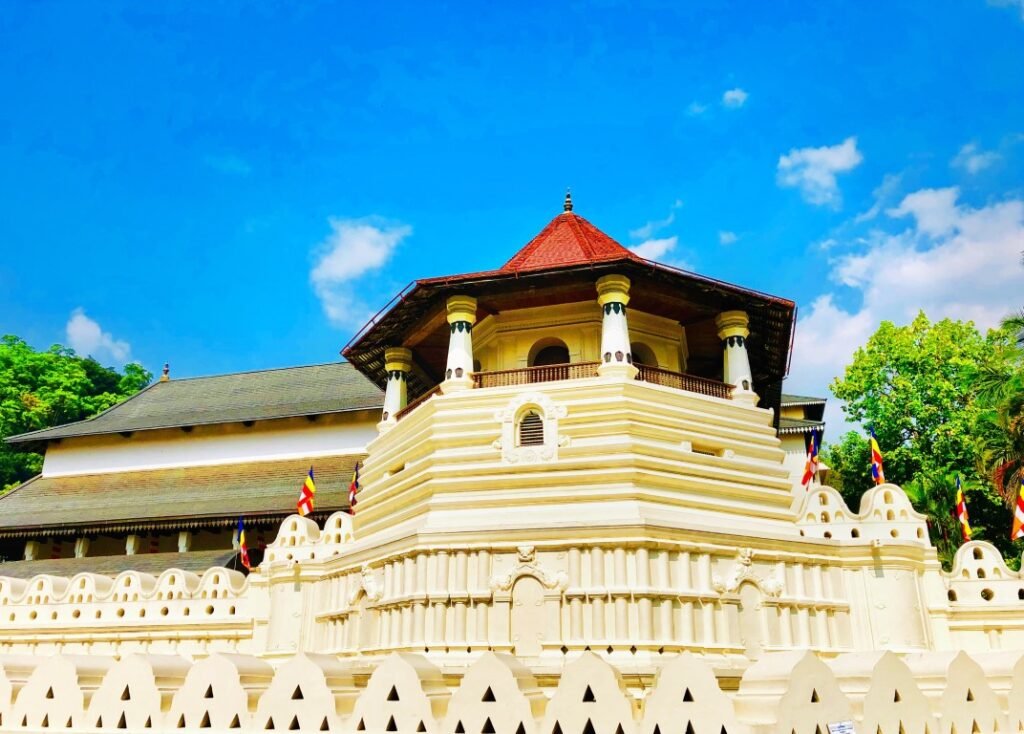
Sri Lanka’s last royal capital and cultural heart of the Kandyan kingdom, Kandy occupies a bowl-shaped valley ringed by hills, with an artificial lake at its centre and the sacred Temple of the Tooth Relic at its edge. The city is the focal point of the Esala Perahera – one of Asia’s most spectacular religious processions, held annually in July or August – and a year-round base for exploring the surrounding hill country, botanical gardens, and traditional craft workshops. Kandy is accessible year-round.

Polonnaruwa

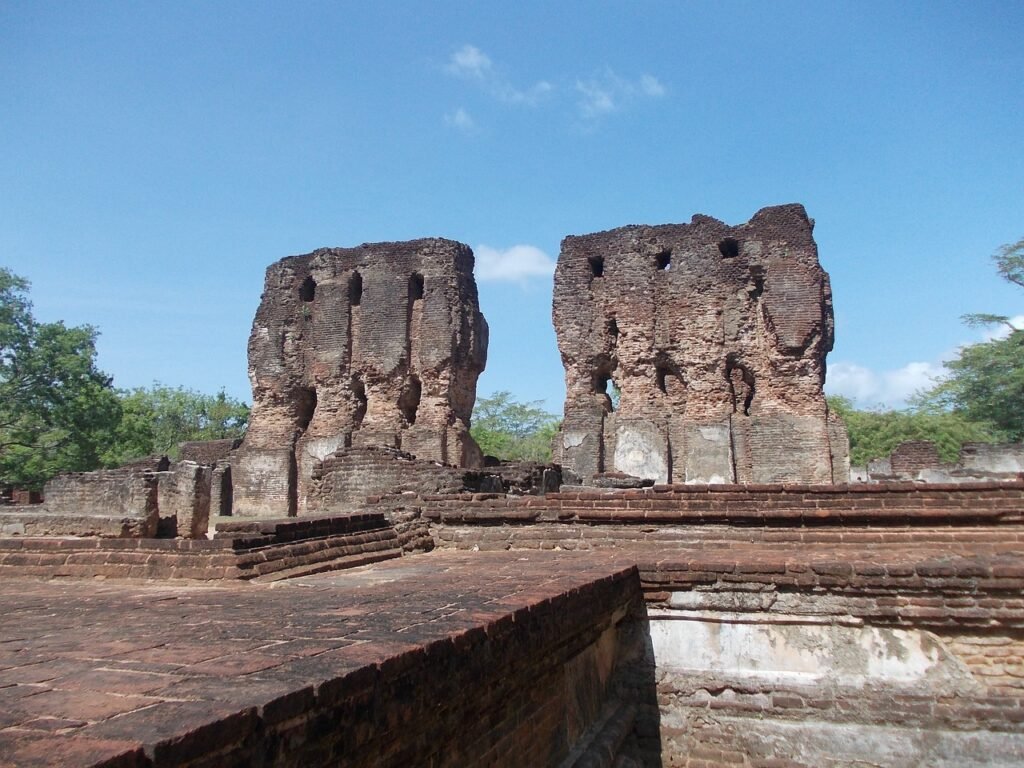
The medieval capital of Sri Lanka from the 11th to 13th centuries, Polonnaruwa is a remarkably well-preserved archaeological site featuring royal palaces, intricate stone temples, ancient reservoirs, and the magnificent Gal Vihara – four monumental Buddha figures carved directly into a single granite face. The ruins spread across a manageable compact area and are ideally explored by bicycle in the early morning. Best visited between May and September.

Anuradhapura

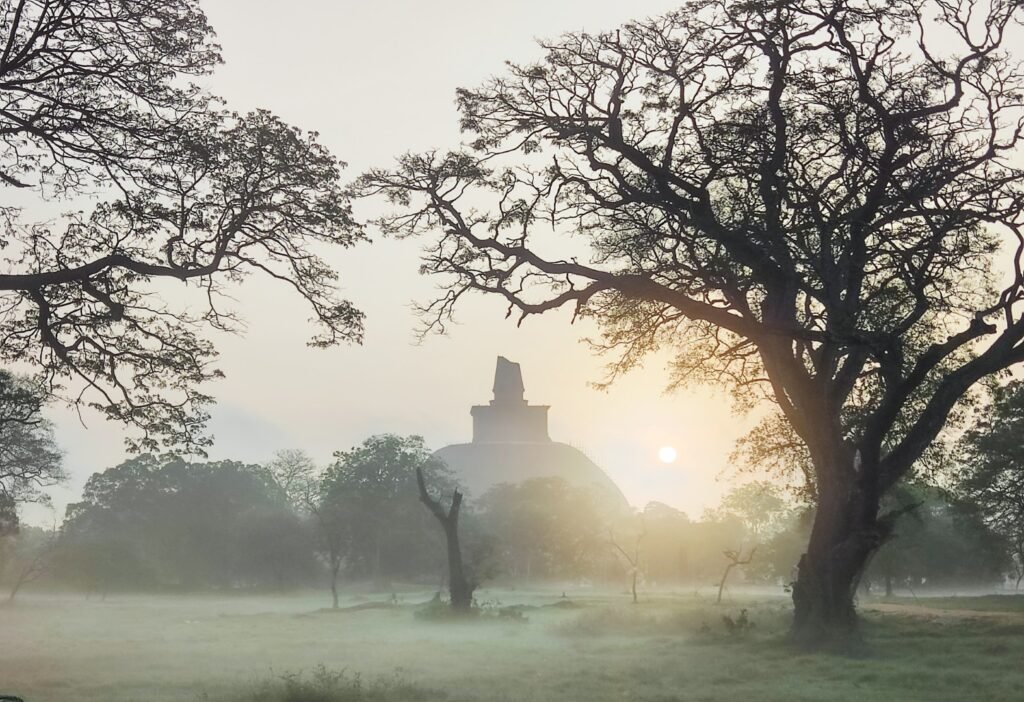
Sri Lanka’s oldest and longest-ruling ancient capital, Anuradhapura is a sprawling sacred city with stupas among the largest ancient structures ever built by human hands. The sacred Bo tree here – said to have grown from a cutting of the tree under which the Buddha attained enlightenment – is among the oldest living trees with a documented history in the world. The city is best explored by bicycle, and the atmosphere, particularly at dawn and dusk, is quietly extraordinary. Best visited between May and September.

Sigiriya

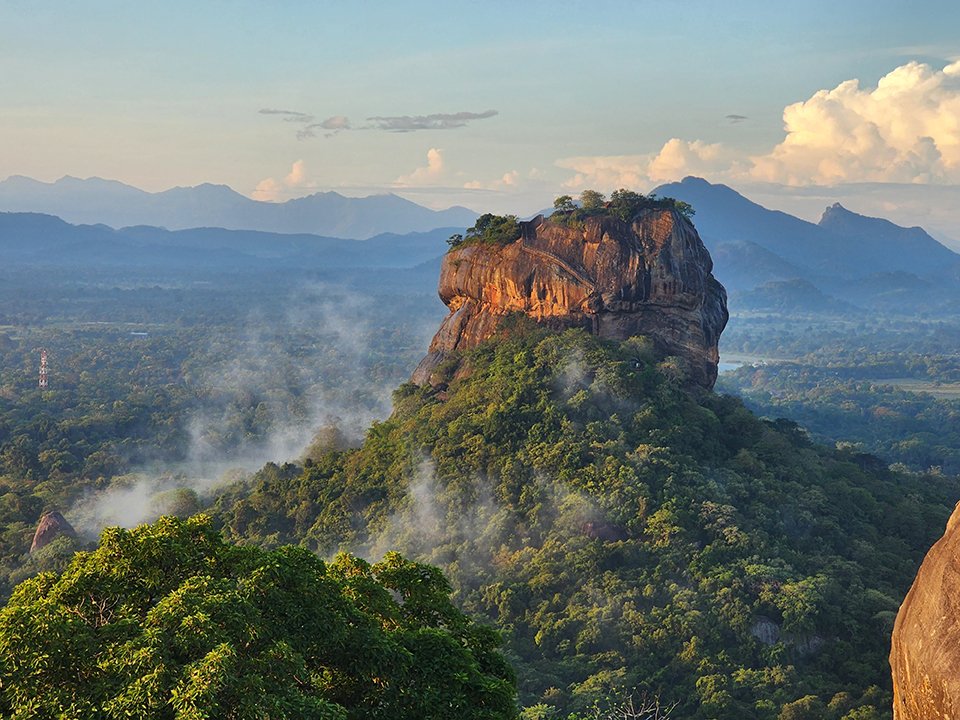
The ancient rock fortress of Sigiriya is Sri Lanka’s single most iconic landmark – a fifth-century royal citadel rising 200 metres above the surrounding plains, accessed by a series of staircases, mirror-walled galleries, and landscaped water gardens. The frescoes on the rock face and the panoramic views from the summit make the climb entirely worthwhile. The surrounding area includes excellent eco-lodges, cycling routes, and access to elephant country. Best visited between May and September or November to February.

Sri Lanka has one of the highest densities of wildlife of any country its size – and a national park system that, at its best, offers safari experiences that rival Africa for intensity and unpredictability. Every park has its own character, its own seasonal rhythms, and its own wildlife specialities.
Udawalawa

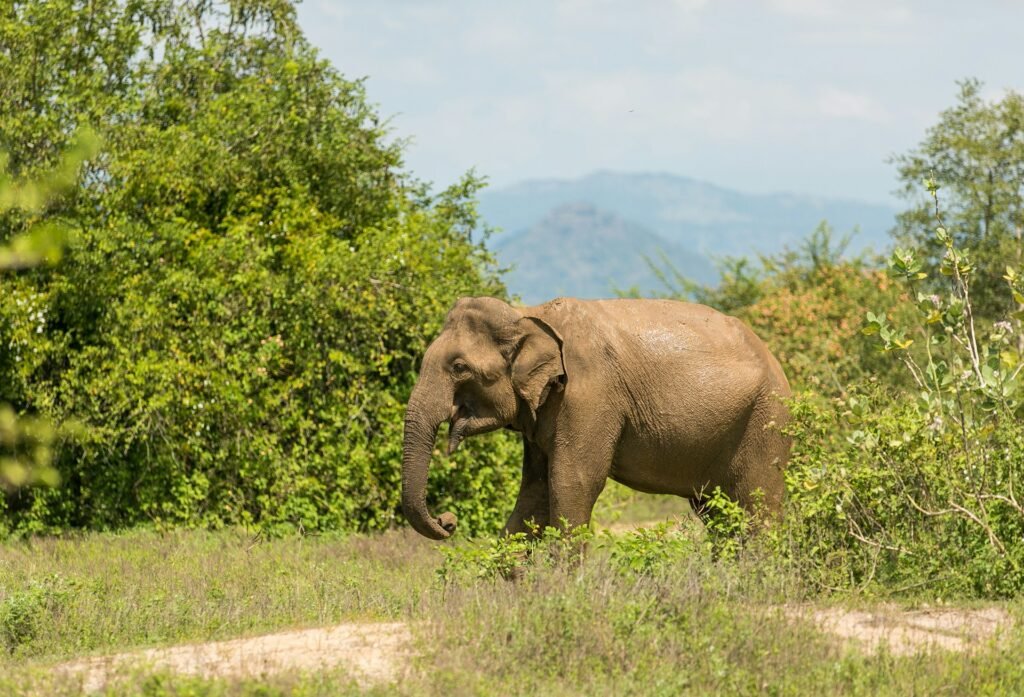
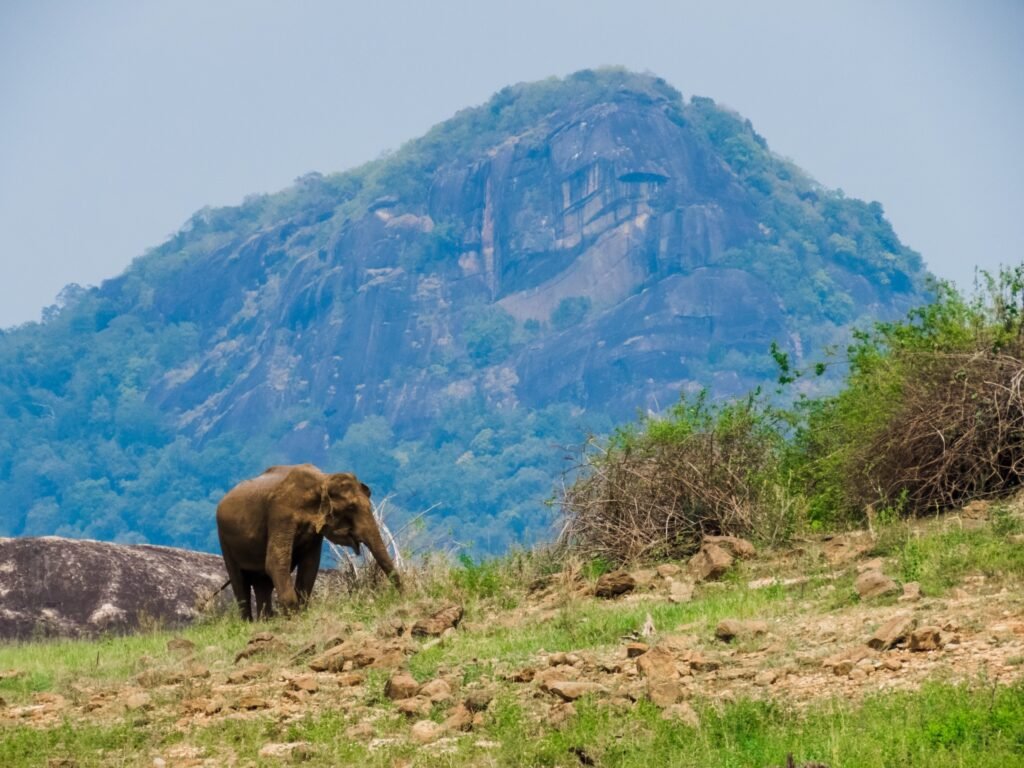
Udawalawa National Park is one of the most reliable places in Sri Lanka for close elephant encounters – the park’s open savannah landscape and water sources attract large herds year-round, and sightings are almost guaranteed. It is also home to the Elephant Transit Home, a rehabilitation facility for orphaned elephants, which is worth visiting in combination with a safari. Accessible year-round, best visited from June to September.

Kumana

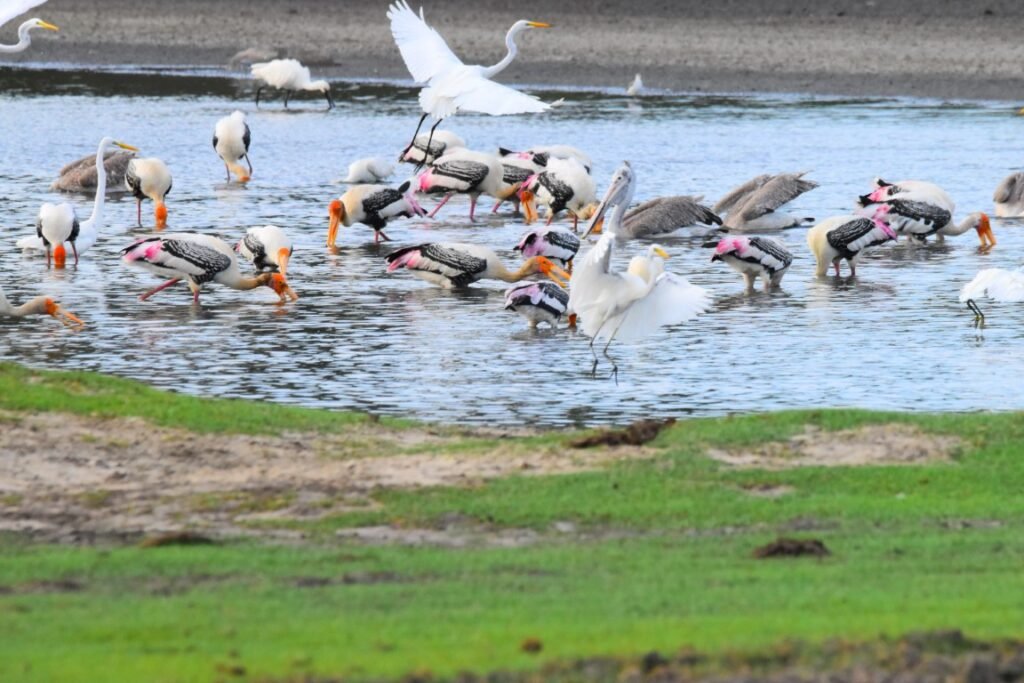
An extension of the Yala ecosystem, Kumana National Park in the southeast is a significant wetland and nesting site for migratory birds, with over 200 species recorded. It sees fewer visitors than Yala and has a wilder, more remote feel. Leopard and elephant sightings are possible, and the coastal landscapes around the park are beautiful. Best visited May to September.

Minneriya

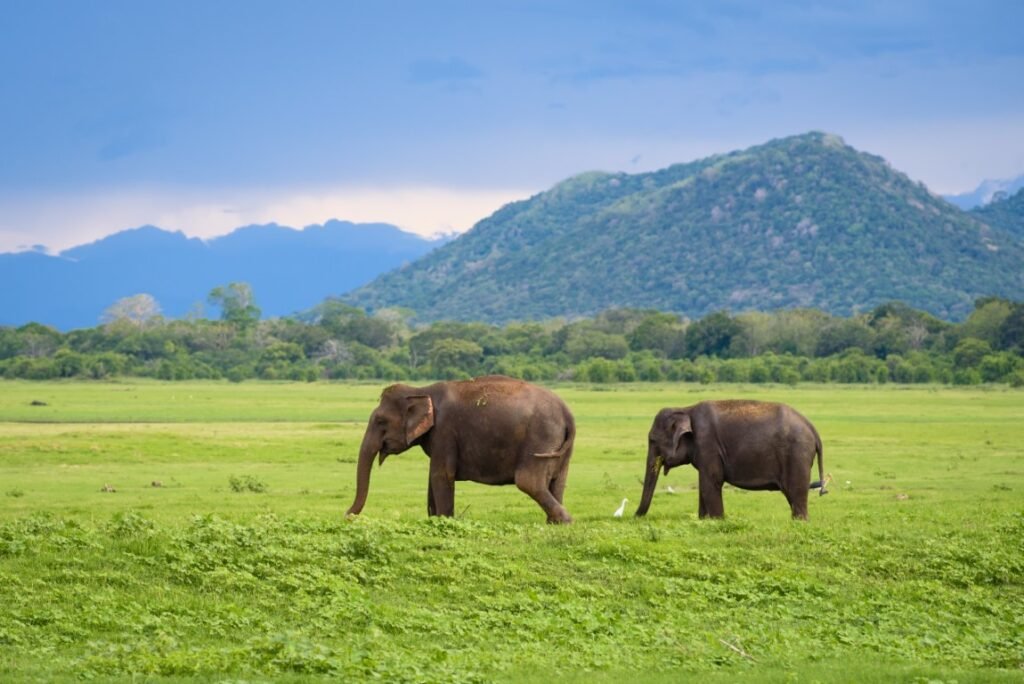
Minneriya is famous for The Gathering – one of Asia’s great wildlife spectacles, in which hundreds of elephants converge on the ancient Minneriya reservoir as surrounding water sources dry up during the dry season. At its peak between July and October, the numbers can be extraordinary. The park is compact, easily accessed from Sigiriya, and also has excellent birdlife throughout the year.

Wilpattu

Sri Lanka’s largest national park by area, Wilpattu is a quieter, less visited alternative to Yala, defined by its unique network of natural circular lakes called villus. It is excellent leopard and sloth bear country, and the relative scarcity of vehicles inside the park gives it a more immersive, undisturbed quality. Best visited between February and October.

Yala

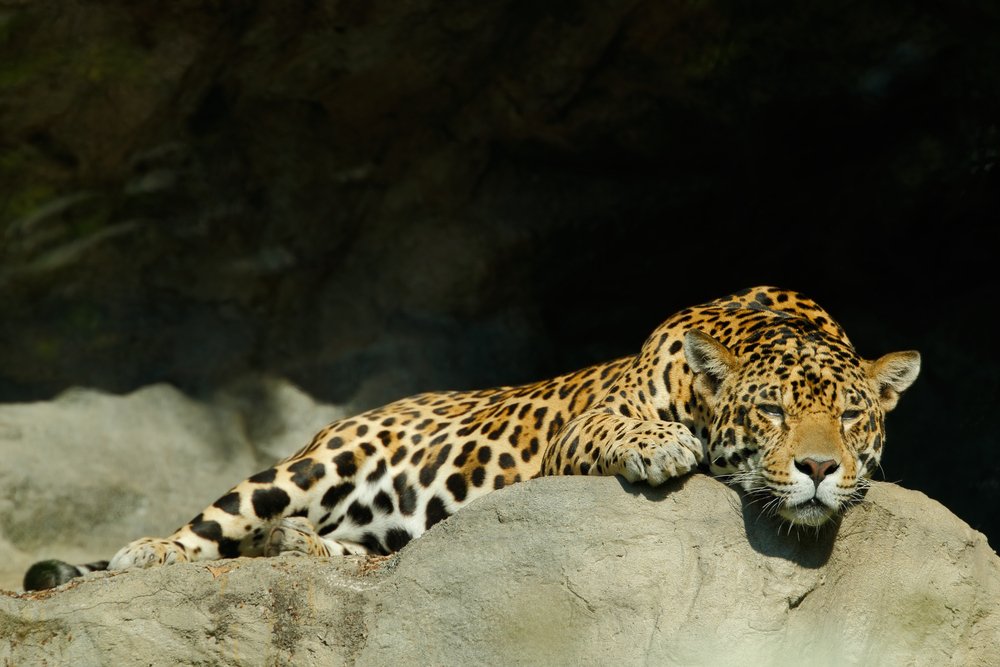
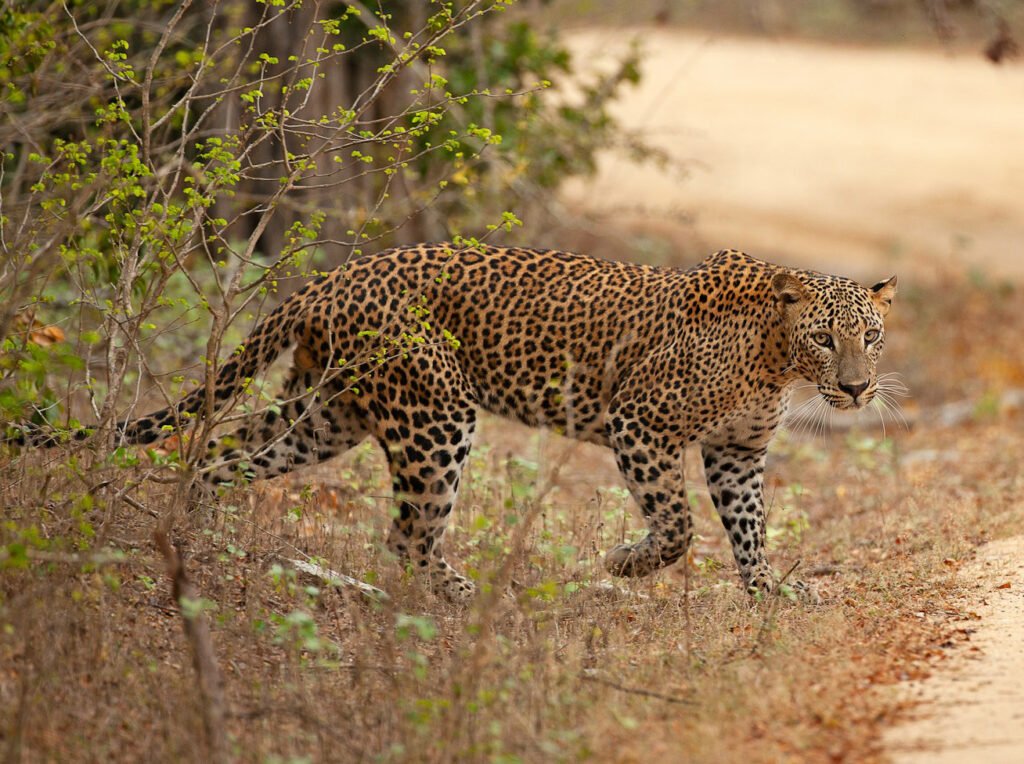
Sri Lanka’s most famous national park, Yala has one of the highest densities of leopards of any protected area in the world. The park is also home to elephants, sloth bears, crocodiles, water buffalo, and an impressive range of bird species. Safaris operate in open jeeps through diverse habitats including coastal scrub, lagoons, and dry-zone forest. Block 1, the most visited section, is best from February to July, though the park is open for most of the year.

Sri Lanka’s central highlands are among the most scenic and biodiverse landscapes in South Asia – a world of misty peaks, cascading waterfalls, cloud forests, tea estates, and colonial-era hill stations reached by some of the most beautiful railway lines in the world.

Kithulgala

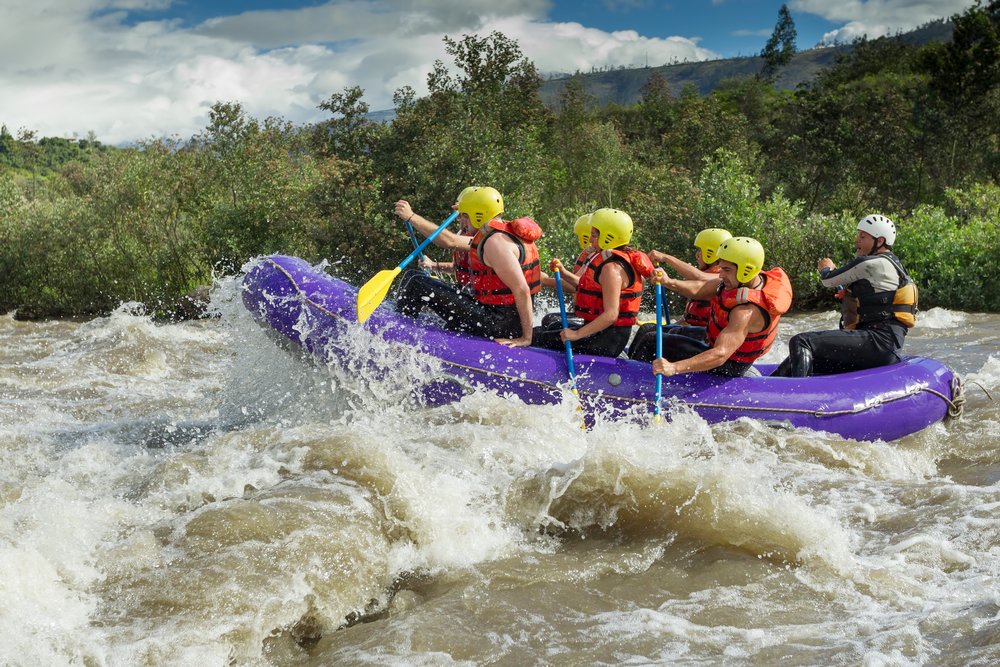
Kithulgala sits in the wet zone foothills on the Kelani River and is the country’s premier whitewater rafting destination, with Grade III-IV rapids suitable for adventure-seekers. The surrounding jungle was the filming location for the David Lean film Bridge on the River Kwai, and the area also offers bird watching, abseiling, and jungle trekking. Accessible year-round.

Nuwara Eliya

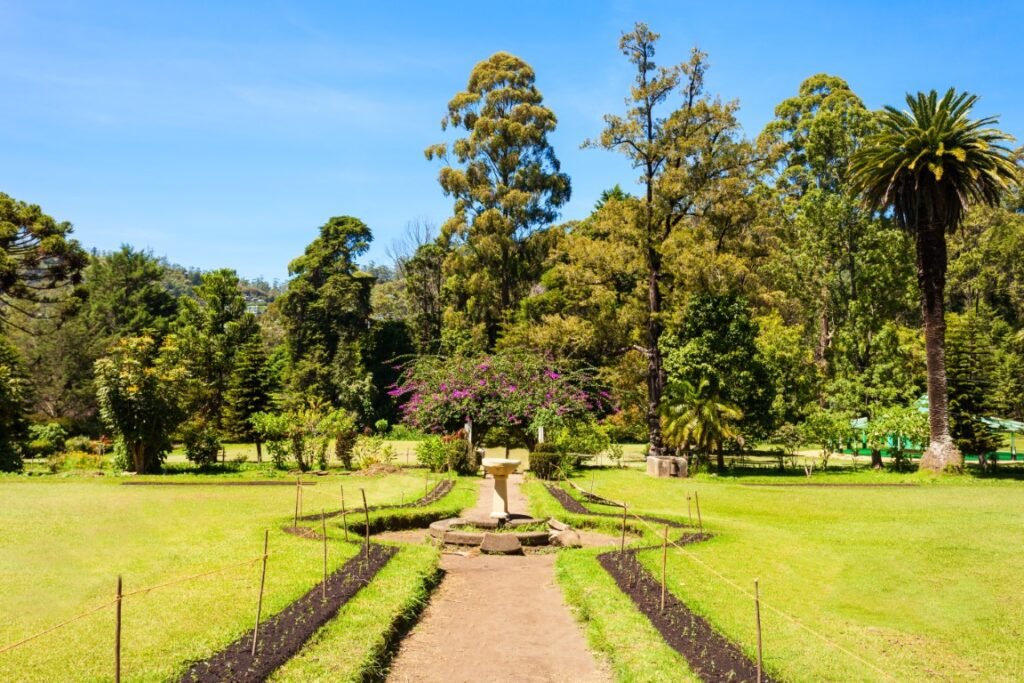
Sri Lanka’s highest town and the historic heart of Ceylon Tea country, Nuwara Eliya has a curious colonial character – Tudor-style hotels, manicured gardens, a racetrack, and an English country town aesthetic dropped into a tropical highland. The surrounding countryside is covered in geometric tea estates, and the town serves as the base for visiting major tea factories and for the famous Nanu Oya to Ella train journey. Best visited February to April.

Knuckles Mountain Range

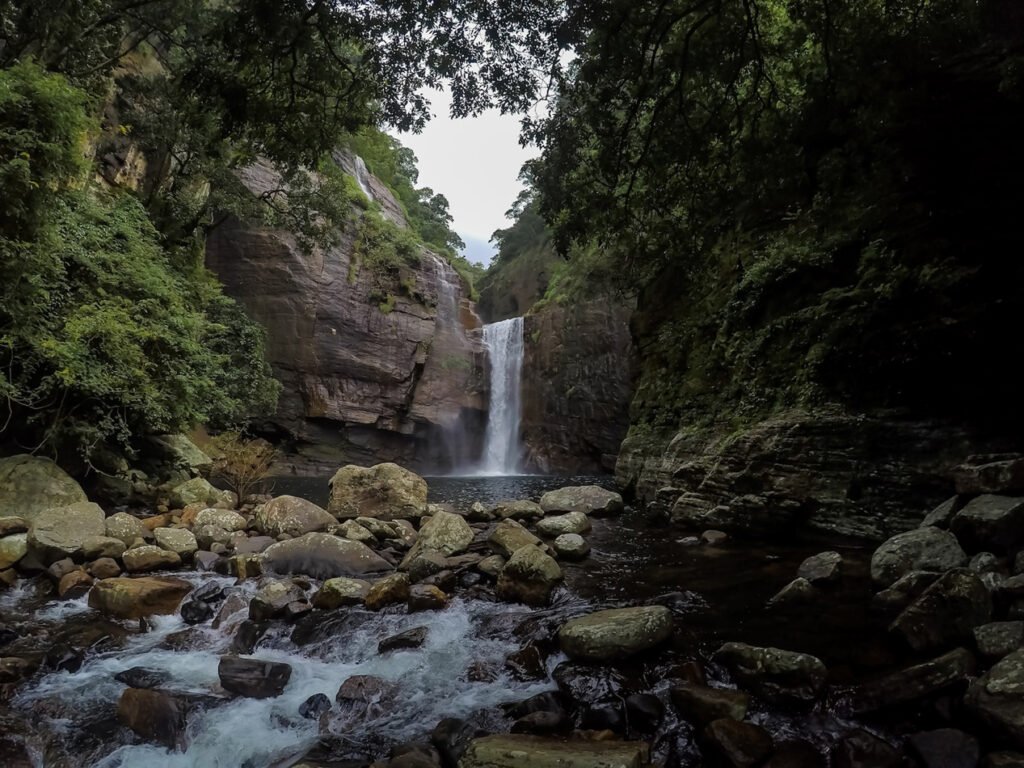
A UNESCO World Heritage site of remarkable biological diversity, the Knuckles range is one of Sri Lanka’s most rewarding trekking destinations – less visited than the main hill country, with genuine wilderness, community-based ecotourism, waterfalls, and a network of trails through cloud forest and rocky ridgelines. The range is at its most beautiful during and just after the northeast monsoon, when the vegetation is lush and the air is clear.

Horton Plains

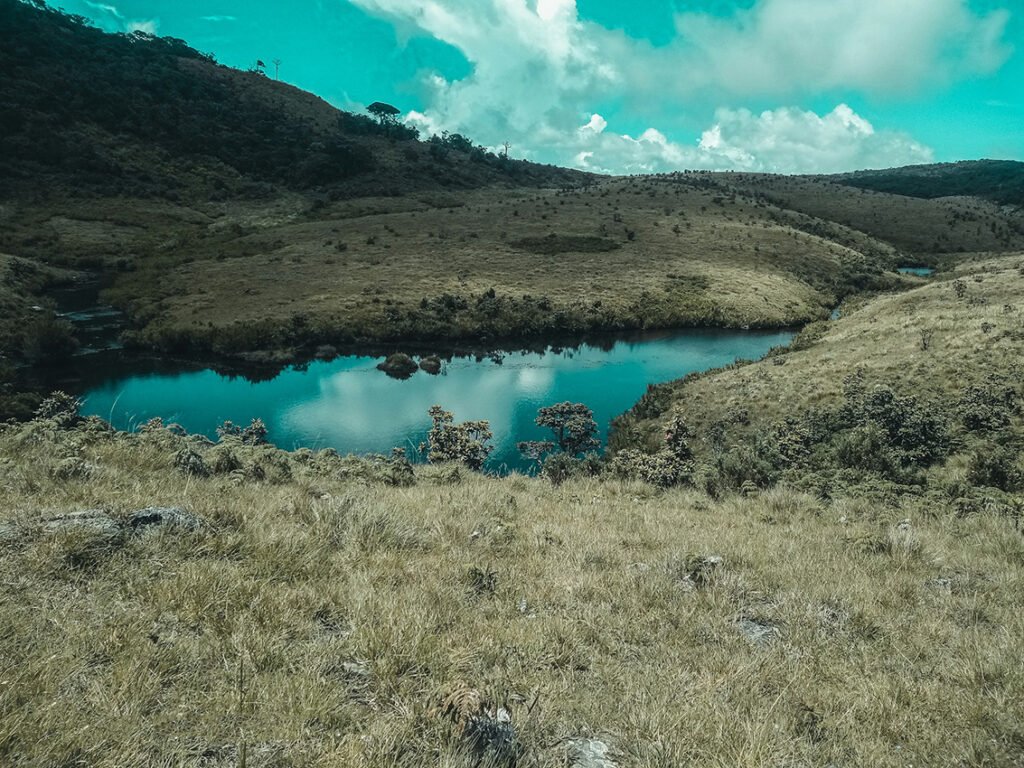
Horton Plains National Park sits at around 2,100 metres and is the source of several of Sri Lanka’s major rivers. The plateau is covered in patchy cloud forest and open montane grassland, and the walk to World’s End – a dramatic escarpment dropping nearly 900 metres to the plains below – is one of the island’s great trekking experiences. Best attempted at dawn, before cloud rolls in. Accessible year-round, though expect mist and rain from May to July.

Ella

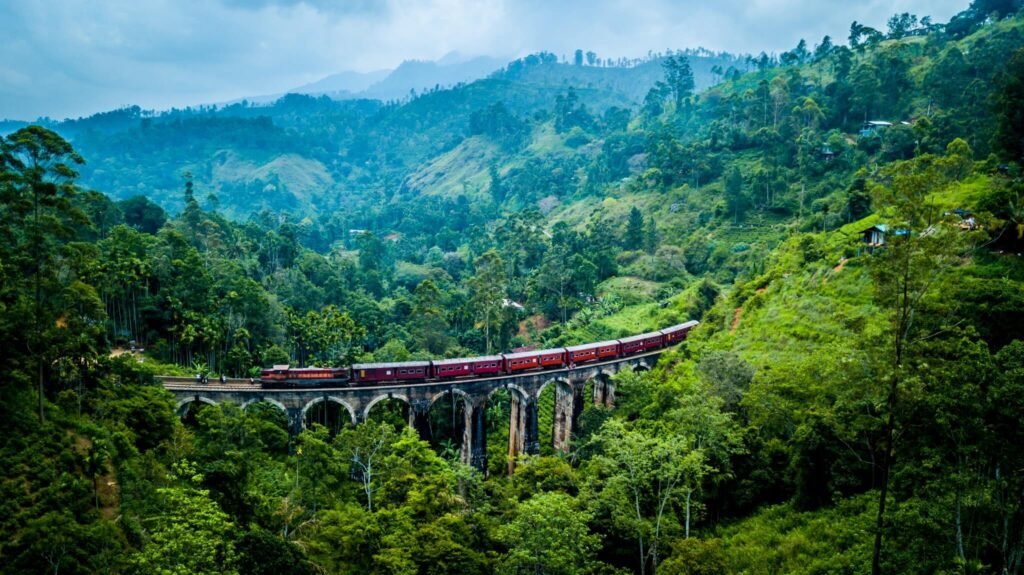
Ella is the hill country’s most charming and visitor-friendly town – a small, walkable settlement perched above a gap in the mountains that frames views straight down to the southern plains. The famous Nine Arches Bridge, the hike up Little Adam’s Peak, and the descent to Ravana Falls are the classic activities, but Ella is equally rewarding simply for its café culture, cool air, and relaxed pace. Accessible year-round.

Beyond the national parks and highland trails, Sri Lanka has a quieter, deeply rewarding category of natural destinations – ancient forest monasteries, river ecosystems, lowland rainforests, and riverine gorges that reward the curious and the patient traveller.

Gal Oya

Gal Oya National Park in eastern Sri Lanka offers one of the country’s most unusual and intimate wildlife experiences – boat safaris on Senanayake Samudra, the largest inland reservoir in the country, where elephants regularly swim between islands. The park sees very few visitors, and the combination of lake scenery, dry-zone forest, and elephant encounters creates a genuinely distinctive experience. Best visited May to September.

Belihuloya

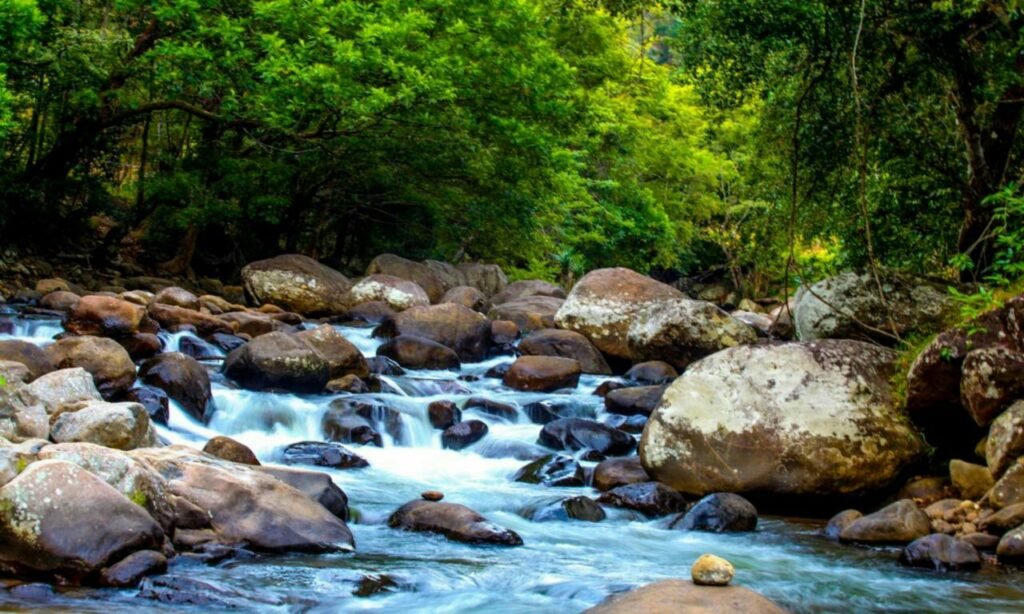
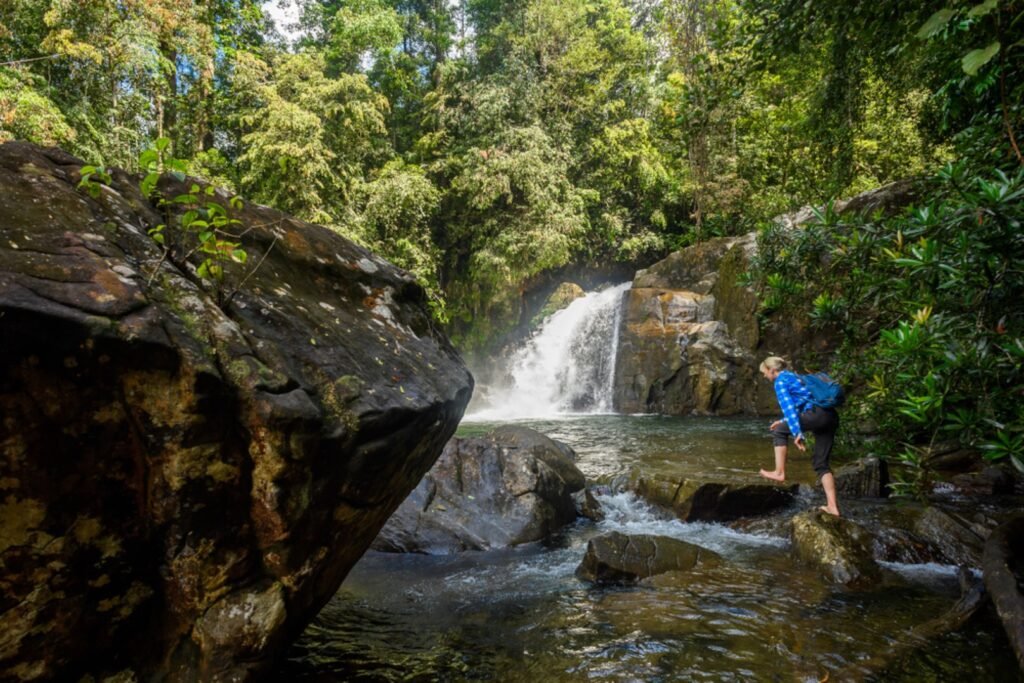
A quiet valley in the southern foothills of the central highlands, Belihuloya is crossed by the Belihul Oya river and surrounded by forest and farmland. It is a gentle base for walking, swimming in natural pools, and experiencing the transition zone between wet zone forest and highland scenery. Largely undiscovered by mainstream tourism, it rewards those looking for a slower, more contemplative pace.

Sinharaja

Sri Lanka’s last remaining lowland tropical rainforest and a UNESCO World Heritage site, Sinharaja is extraordinary for birdwatching – the majority of Sri Lanka’s endemic bird species are found here, often in mixed-species feeding flocks that move through the forest canopy at dawn. The forest is dense and humid, best explored on guided walks. Best visited January to March or August to September.

Madu River

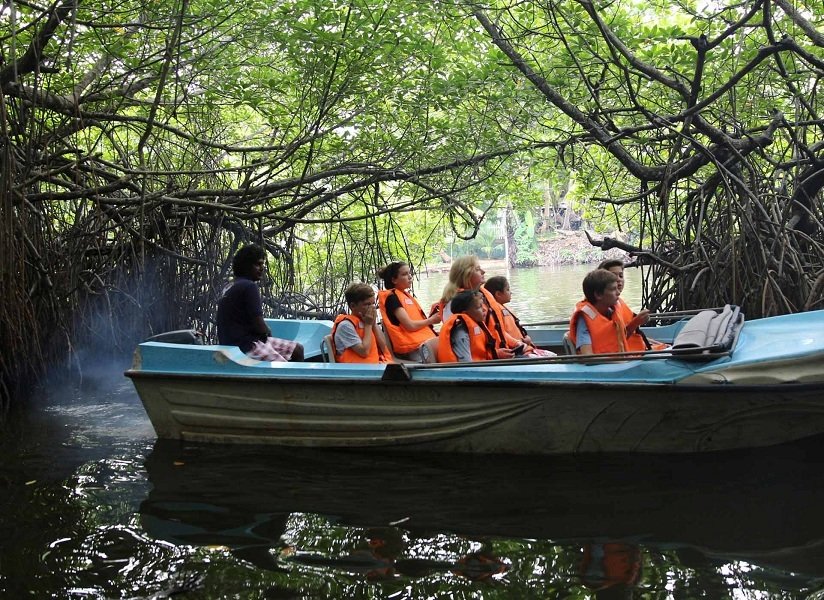
The Madu River and its surrounding lagoon system in southern Sri Lanka constitute one of the most biodiverse wetland ecosystems on the island, home to over 300 plant species and 200 recorded bird species. Boat safaris through the mangroves and past tiny inhabited islands offer a gentle and genuinely memorable experience – and the river is easily combined with a coastal base in Bentota or Ahungalla. Best visited November to April.

Ritigala Forest Monastery

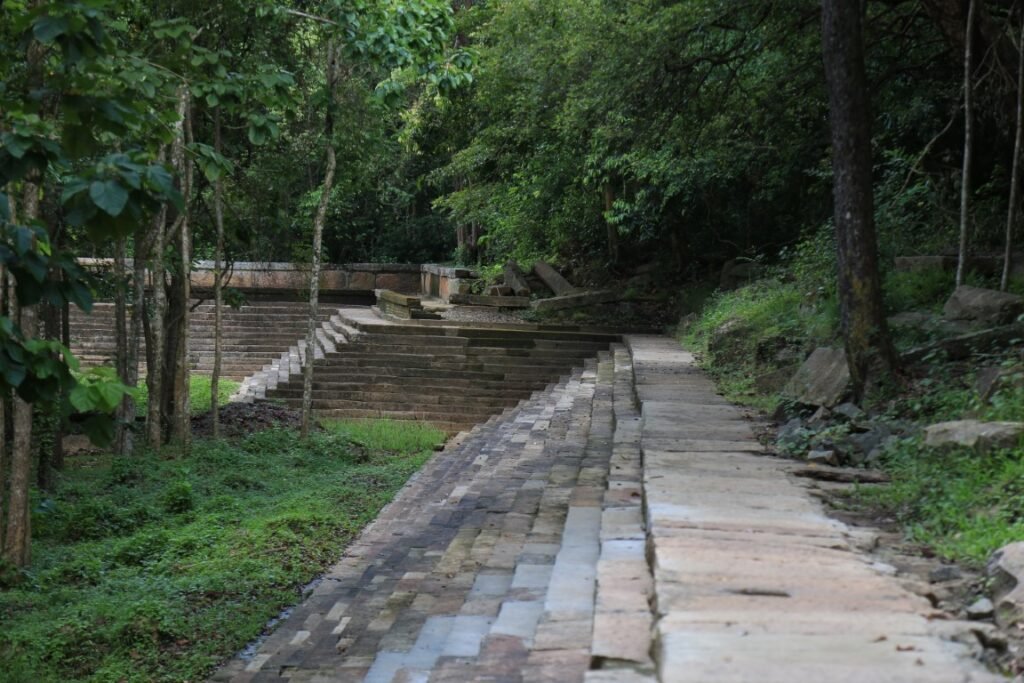
One of Sri Lanka’s most atmospheric ancient sites, Ritigala is a ruined forest monastery complex tucked into a remote ridge of dry-zone forest in the North Central Province. The ruins are connected by a system of raised stone pathways through jungle, and the silence and sense of solitude here are unlike anything else in the Cultural Triangle. Accessible year-round.